Produced Water Treatment
Every barrel of oil brings water up with it: salty, oily and full of solids, and usually trucked away for costly disposal. AquaTreat treats produced water on site and turns it into clean water for reuse or reinjection, reducing TDS from up to 70,000 ppm to below 1,000 ppm.
Challenge - Produced water is:
Salty: up to 70,000 ppm total dissolved solids (TDS)
Oily: contains free and emulsified oil, sand and suspended solids
Costly: usually trucked away and disposed of, adding cost and risk to every barrel
Solution
AquaTreat treats produced water on site with a four-stage process: separation, Induced Gas Flotation (IGF), ultrafiltration (UF) and reverse osmosis (RO). One centralized plant can serve multiple well sites, operated 24/7 by Aquatreat's own team.
Result
TDS reduced from 70,000 ppm to below 1,000 ppm
Clean water ready for reinjection, oilfield use, construction, irrigation and industry
Less trucking, lower disposal cost and a smaller environmental footprint
Applications: Oil fields and well sites · Flowback water · Central processing facilities · Reinjection programmes · Water reuse for construction and irrigation
What We Provide
Produced water from the wells enters a three-phase separator, where gas is released and free oil is recovered as product. Sand and heavy solids settle out, protecting the downstream treatment stages.
Fine gas bubbles attach to oil droplets and suspended solids too small to separate by gravity, and lift them to the surface. The floating oil and solids are skimmed off, leaving clarified water
UF membranes remove the remaining fine solids, colloids and bacteria. This produces clear, stable water and protects the RO membranes downstream.
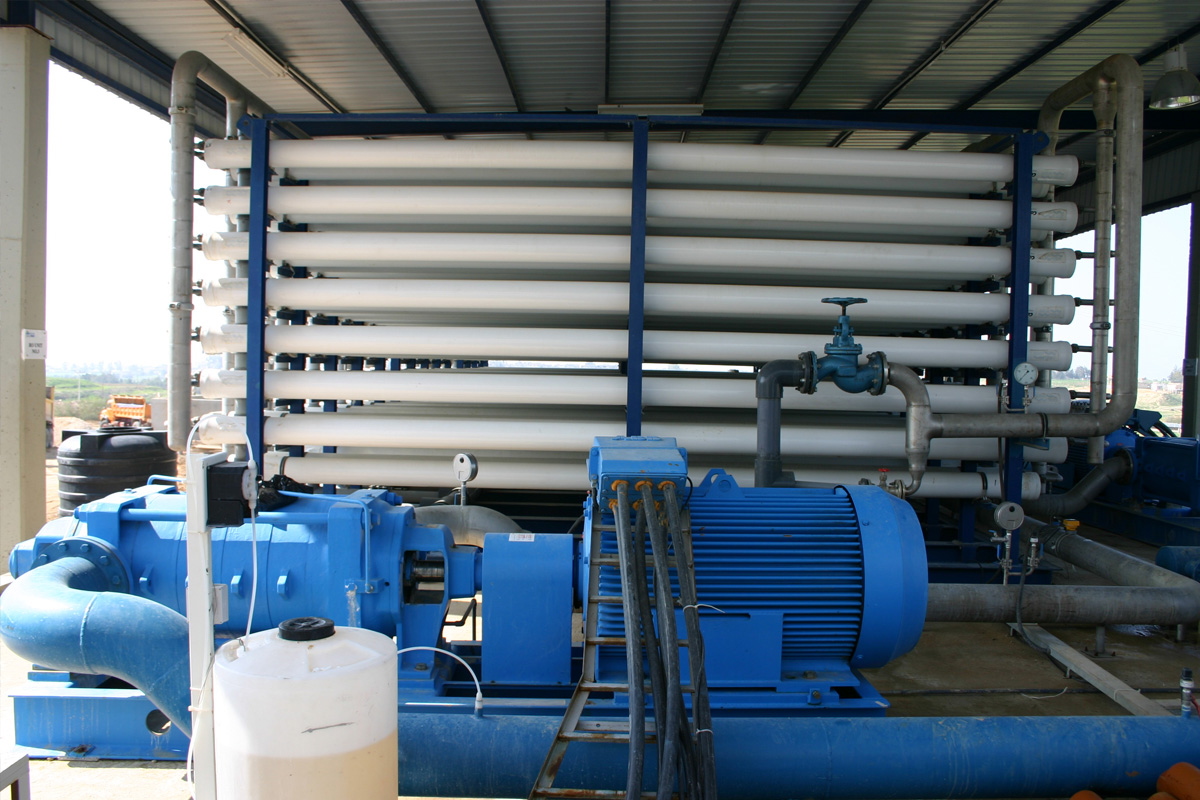
High-pressure membranes remove the dissolved salts from the water. Total dissolved solids drop from up to 70,000 ppm to below 1,000 ppm.
One AquaTreat plant can serve multiple well sites, instead of treating water site by site. This reduces trucking, cost and footprint across the field.
Treated water goes back to work: reinjection, oilfield operations, construction, irrigation and industrial use. Produced water becomes a resource instead of a disposal cost.
Aquatreat’s operators run the plant 24/7, with remote monitoring of flow and water quality. Clients receive regular reports on volumes and performance.
